Thinking about a 100-year-old farmhouse or a Victorian on a leafy street in Clinton County? You love the warmth of real wood, tall windows, and a front porch that calls for coffee at sunrise, but you also want modern comfort and a smart investment. In this guide, you’ll learn which historic features buyers value most, the updates that add function without losing charm, and practical steps to inspect, budget, and prepare a historic home for the market. Let’s dive in.
Clinton County’s historic styles
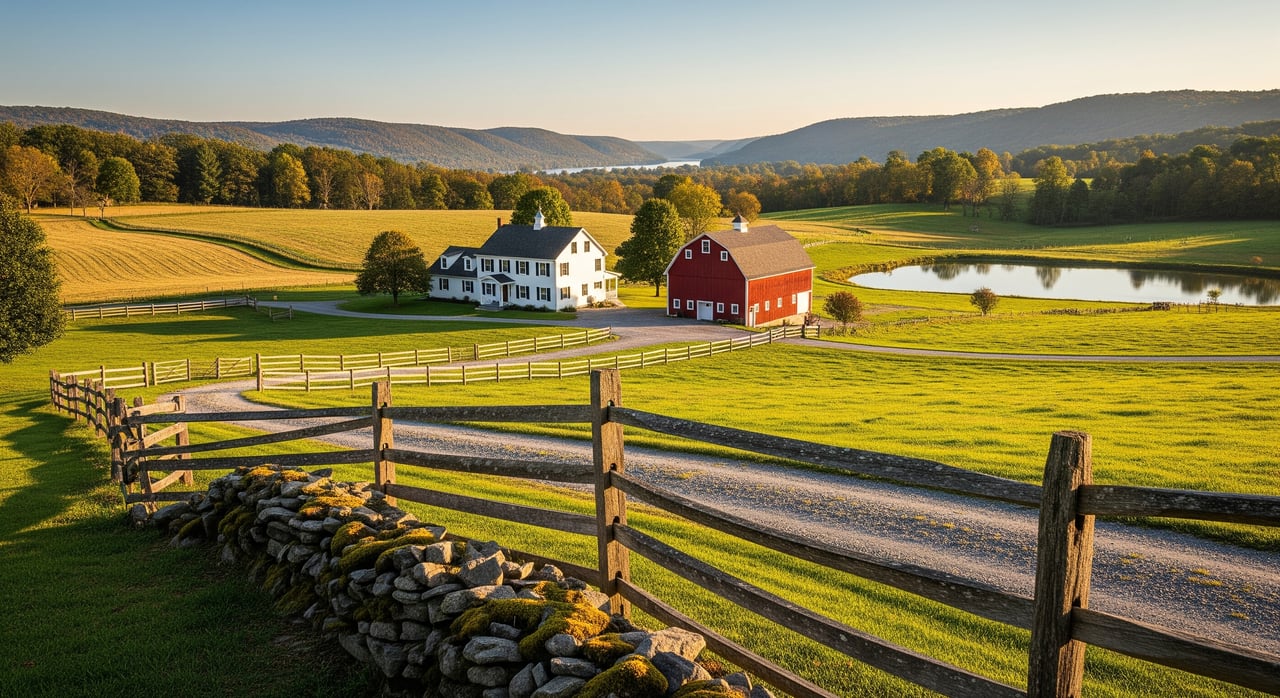
Clinton County’s older homes are mostly 19th- and early-20th-century builds. You’ll see mid-1800s Greek Revival and vernacular farmhouses, late-19th-century Victorian-era types such as Italianate and Queen Anne in towns like Lock Haven and Renovo, and early-20th-century Bungalow/Craftsman and Colonial Revival homes in residential neighborhoods. Many are vernacular adaptations, reflecting local craftsmen and the timber and railroad-era prosperity that shaped the region.
Common materials include wood-frame construction with clapboard or German siding, and fieldstone or cut-stone foundations. Interiors often feature original hardwood floors, plaster-and-lath walls, built-in cabinetry, and substantial trim and millwork. With a continental climate, winters and freeze-thaw cycles make drainage, flashing, repointing, and paint maintenance especially important.
Period features buyers love
Interior woodwork and millwork
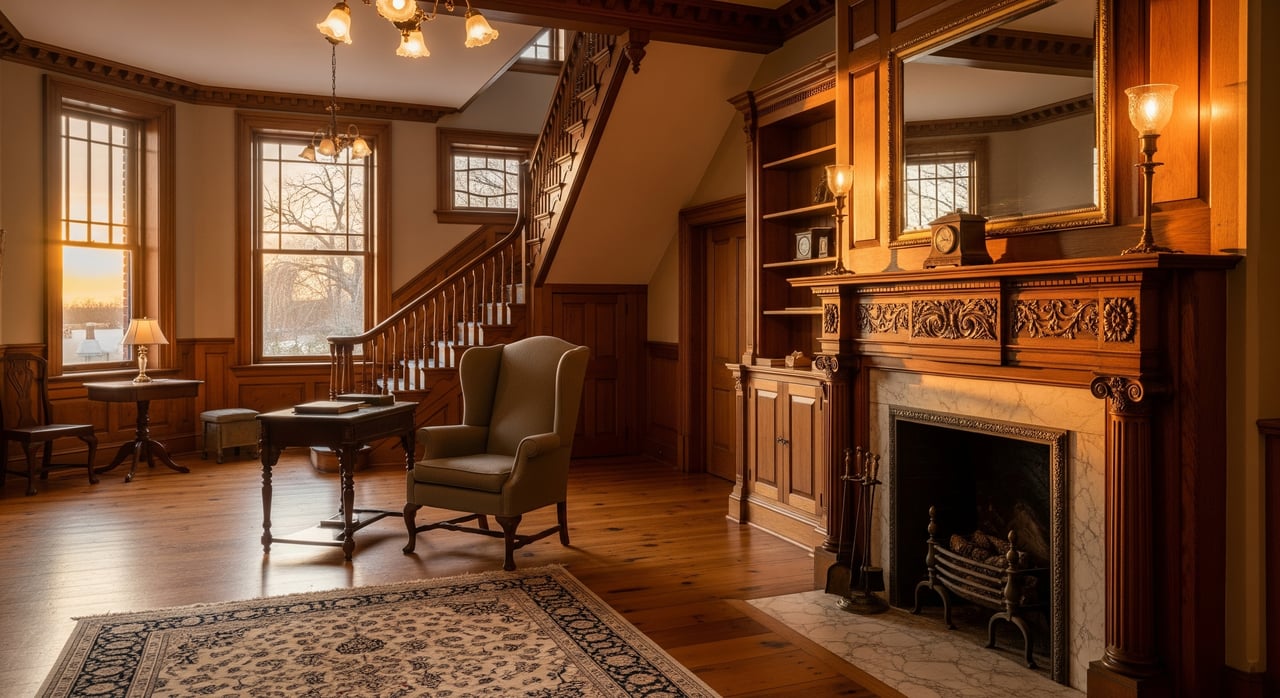
Thick baseboards, wide casings, picture rails, and ornate newel posts signal craftsmanship you rarely find today. Buyers respond to the sense of authenticity and quality. Keep value high with gentle restoration: clean, repair splits, and refinish rather than replace. When patching, match the original profile and control moisture to prevent cupping or warping.
Hardwood floors
Original oak or maple floors, sometimes with wider planks, are a major draw. If they’re in good shape or well restored, they can become a centerpiece in photos and showings. Sanding and refinishing can bring them back to life, while screening and a fresh coat may be enough for light wear. Address any subfloor or rot issues before finishing.
Plaster walls and ceilings
Plaster-and-lath walls, ceiling medallions, and decorative moldings add depth and texture. Many buyers accept minor plaster cracks if the overall look is intact. Repair cracks and delamination with proper plaster techniques rather than covering with drywall unless necessary. For sagging ceilings or significant damage, consult a pro who understands historic plaster.
Windows and trim
Original double-hung wood sash with true divided lights and deep jambs are visually important. Buyers enjoy the look and proportions of these windows. Restoration is often cost-effective and preserves character: repair sash cords, reglaze, and weatherstrip; add storms for energy gains. If replacement is needed, use historically sympathetic profiles and document any improvements.
Porches and exterior details
Full-width or wraparound porches, turned posts, brackets, and decorative friezes offer curb appeal and outdoor living space. These elements set a welcoming tone and photograph beautifully. Inspect for rot at framing, sills, and posts; repair or replace in-kind with matching profiles. Keep paint or stain in good condition to protect the wood.
Stonework and masonry
Fieldstone foundations, retaining walls, and stone steps convey sturdiness and age. Buyers see these elements as authentic and durable. Repoint with mortar compatible with older stone and brick rather than hard mixes that can cause damage. Ensure proper drainage and maintain flashing at roof and wall intersections.
Hardware and finishes
Brass or bronze hardware, glass doorknobs, porcelain fixtures, and original radiators add instant character. Small details reinforce the overall story of the home. Clean and refurbish where possible and use period-appropriate reproductions to replace missing items.
Updates that preserve character
Preserve what matters, modernize what you must. Start with safety and systems, then move to kitchens, baths, and exterior elements.
Priority 1: Systems and safety
- Electrical: Replace knob-and-tube or obsolete wiring and update panels; add grounded outlets and GFCIs in kitchens and baths.
- Heating/cooling: Maintain or replace older boilers or furnaces for reliability; consider efficient mini-splits where ductwork is minimal.
- Plumbing: Replace failing galvanized lines and repair or renew aging drains where needed.
- Inspections/disclosures: Order a full home inspection and specialist checks for chimneys, foundations, roofs, and plaster.
- Lead-safe work: For pre-1978 homes, follow the EPA Renovation, Repair, and Painting (RRP) rule and use certified renovators when disturbing paint.
Priority 2: Functional updates with character
- Kitchens: Keep original openings and trim when possible. Choose simple, period-appropriate cabinetry styles, and preserve built-ins. Modern appliances and durable surfaces can blend in with careful detailing. Refacing, new hardware, refreshed counters, lighting, and flooring often deliver a strong return without a full gut.
- Bathrooms: Update fixtures and finishes while keeping scale and original openings intact. Reuse cast-iron tubs where practical or select period-appropriate replacements.
- Insulation and air sealing: Add attic insulation, insulate rim joists, and seal gaps. Use interior strategies that do not trap moisture against historic masonry; consult a building professional for masonry walls.
Priority 3: Preservation-minded exterior work
- Windows: Restore sashes when possible and add storm windows for performance. If replacing, replicate visible profiles and details.
- Roof and gutters: Choose materials that suit the home’s era, such as architectural shingles or standing-seam metal where appropriate. Maintain gutters and downspouts to control water.
- Porches: Repair framing, flooring, and railings in-kind; use rot-resistant lumber or carefully chosen composites that match the look.
- Paint and color: Historically appropriate palettes elevate curb appeal; a professional color consult can help.
Buyer checklist for older homes
- Schedule a thorough home inspection plus specialists for structure, chimney/masonry, electrical, HVAC, and roofing as needed.
- Review service records for mechanicals and any prior restoration work.
- Plan for lead paint in pre-1978 homes and consider testing for asbestos-containing materials in older systems and finishes.
- Budget for near-term projects: electrical upgrades, roof or porch repairs, window restoration, and targeted kitchen or bath updates.
- Document everything. Keep reports, estimates, and photos to guide negotiations and future maintenance.
Seller prep: quick wins before listing
- Tackle safety and systems first. Electrical issues, heating reliability, roof leaks, and active plumbing leaks should not reach buyer inspections.
- Address visible deferred maintenance. Repaint peeling areas, repair porch steps and railings, and refinish worn floors.
- Focus on high-impact refreshes. Update lighting, hardware, and bath fixtures; consider cabinet refacing and new countertops.
- Highlight character. Stage rooms to showcase woodwork, built-ins, mantels, floors, porches, and stonework.
- Keep records. Share permits, contractor invoices, and any lead-safe documentation to build buyer confidence.
Budget snapshot: typical ranges
Costs vary by scope and condition, but these general ranges help you plan:
- Window restoration: Often less than high-end replacements on a per-window basis, depending on condition and glazing needs.
- Window replacement: Ranges from hundreds to over a thousand dollars per unit installed; custom historically accurate units cost more.
- Kitchen refresh: Typically in the low tens of thousands for refacing, counters, appliances, and lighting. Full gut projects can climb from tens of thousands to six figures for high-end work.
- Bathroom update: Roughly 5,000 to 20,000 for a moderate refresh; full remodels cost more.
- Porch repairs: From a few thousand for isolated rot fixes to tens of thousands for major rebuilds.
- Mechanical upgrades: Several thousand to tens of thousands for heating systems or electrical panels, depending on size and fuel type.
- Roof replacement: Several thousand to tens of thousands based on materials and roof size.
Obtain local estimates to fine-tune your budget. Prioritize safety and water management first, then move to cosmetic upgrades with clear ROI.
Rules, districts, and incentives
Some Clinton County properties or areas may be listed on the National Register of Historic Places or recorded by the Pennsylvania Historical & Museum Commission. If a home sits in a local historic district, exterior changes may require design review or approvals, so check municipal ordinances and county planning offices early. A 20% Federal Rehabilitation Tax Credit applies to certified rehabilitation of income-producing historic properties, such as rentals or commercial spaces, not most owner-occupied homes. For any incentives, grants, or district rules, contact the state preservation office and your local planning department for current guidance.
Showcase character in your listing
- Photograph in good natural light to show grain, depth, and craftsmanship.
- Use neutral wall colors that contrast with restored wood trim.
- Call out special elements in the description: built-ins, mantels, unique windows, original radiators, and porches.
- Balance authenticity with convenience. Buyers want both character and modern function.
Work with a local advocate
Historic homes are special, and the right plan protects your equity while honoring the house. You deserve a steady hand that understands older construction, local climate factors, and the permitting landscape. If you are buying, you need clear steps and realistic budgets. If you are selling, you want a listing strategy that highlights character and removes objections before they surface.
Ready to talk through your next move in Clinton County? Let’s create a plan that fits your goals and timeline. Reach out to Michelle Strange to get clear steps, local insight, and a process that keeps you in control.
FAQs
Do restored original windows perform well in Clinton County’s climate?
- Properly restored wood windows plus storm windows often perform close to replacements while preserving character. Pair them with insulation and air sealing for best results.
What should I update first in a historic Clinton County home?
- Start with safety and systems: electrical, heating, roof, and active leaks. Then handle visible maintenance and consider targeted kitchen and bath refreshes.
Is it okay to paint original wood trim to modernize?
- Many buyers appreciate exposed wood trim. If the trim is in poor condition, painted trim can be acceptable, but highlight natural wood in other rooms if possible.
Are there tax credits for restoring my historic house in Pennsylvania?
- Federal rehabilitation tax credits mainly apply to income-producing historic properties. Check with state and local offices for any additional incentives or programs.
What inspections do buyers need for older homes?
- In addition to a standard home inspection, consider specialists for structure, masonry/chimneys, electrical, HVAC, roofing, and plaster. Ask for service records and documentation of prior work.